Path to Parenthood - The Fertility Blog

๐ช Why Male Fertility Matters Infertility affects 1 in 8 couples , and in about 40–50% of those cases , a male factor is part of the equation. These factors can include: Low sperm count or poor motility (how sperm move) Abnormal sperm shape (morphology) Hormonal imbalances Genetic conditions Lifestyle or environmental exposures The good news? Many of these issues are treatable with the right medical care and support. ๐งฌ What Affects Sperm Health? Sperm health depends on several key factors, including: Age and lifestyle : Smoking, alcohol, poor diet, or lack of exercise can reduce sperm quality. Heat exposure : Frequent use of hot tubs, saunas, or placing laptops on your lap can affect sperm production. Stress : Chronic stress can impact hormones responsible for sperm production. Medical conditions : Varicoceles (enlarged veins), infections, or hormonal disorders can interfere with fertility. Even simple changes —like maintaining a healthy weight, improving nutrition, and reducing heat and toxin exposure—can make a big difference. ๐งช How Male Fertility Is Tested At Caperton Fertility Institute , male fertility testing begins with a semen analysis , a simple and non-invasive test that evaluates sperm count, motility, and shape. Depending on the results, additional tests such as hormone evaluations, genetic testing, or physical exams may be recommended. These help our team create a personalized fertility treatment plan tailored to each couple’s needs. ๐ Modern Treatments for Male Factor Infertility Thanks to advancements in reproductive technology, male infertility is no longer a barrier to starting or growing your family. Some treatment options include: Intrauterine Insemination (IUI): Concentrated, healthy sperm are placed directly into the uterus. In Vitro Fertilization (IVF): Eggs and sperm are combined in the lab to create embryos. ICSI (Intracytoplasmic Sperm Injection): A single healthy sperm is injected directly into an egg — often used when sperm count or motility is low. Sperm retrieval procedures: Used when sperm are not present in the semen due to blockage or other causes. Our team specializes in advanced male fertility diagnostics and treatments , ensuring every couple has the best chance at success. โค๏ธ Breaking the Stigma Men’s reproductive health is often overlooked — but it shouldn’t be. Fertility challenges are not a reflection of masculinity or worth . They’re a medical issue, just like any other, and addressing them early can lead to faster, more effective solutions. At Caperton Fertility Institute , we encourage men to take charge of their fertility health by scheduling a consultation or semen analysis this Movember. The first step toward hope often begins with a simple conversation. ๐๏ธ This Movember, Let’s Start the Conversation Infertility is a couple’s journey , and awareness is the first step toward understanding, support, and success. Join us this Movember in breaking the silence around male fertility. Together, we can turn awareness into action — and dreams into families.

Uterine fibroids are a common diagnosis among women of reproductive age. While many fibroids are harmless and cause no symptoms, others can interfere with fertility and pregnancy. At Caperton Fertility Institute , we help patients understand how fibroids may affect reproductive health and provide personalized treatment options to optimize fertility outcomes. What Are Uterine Fibroids? Fibroids, also known as leiomyomas , are benign (non-cancerous) growths that develop in or on the uterus. They can vary greatly in size, number, and location. Depending on where they form, fibroids are classified into several types: Submucosal Fibroids: Grow into the uterine cavity Intramural Fibroids: Develop within the uterine wall Subserosal Fibroids: Form on the outer surface of the uterus Pedunculated Fibroids: Attached by a stalk extending from the uterus How Fibroids Can Affect Fertility Not all fibroids impact fertility. However, certain types and locations are more likely to interfere with conception, implantation, or pregnancy progression. Submucosal Fibroids: These are most likely to affect fertility because they distort the uterine cavity, which can prevent implantation or increase the risk of miscarriage. Intramural Fibroids: When large, these fibroids can change the shape of the uterus and affect blood flow, potentially reducing the chances of successful embryo implantation. Tubal Blockage: Fibroids located near the fallopian tubes can obstruct sperm or egg movement, preventing fertilization. Cervical Fibroids: Although rare, fibroids near the cervix can hinder sperm entry into the uterus. Common Symptoms of Fibroids Fibroid symptoms vary widely — some people experience significant discomfort, while others have no symptoms at all. Common signs include: Heavy or prolonged menstrual bleeding Pelvic pain or pressure Pain during intercourse Frequent urination or constipation Recurrent pregnancy loss or difficulty conceiving For many patients, fibroids are first discovered during a fertility evaluation or routine pelvic exam . Diagnosis and Treatment Options At Caperton Fertility Institute , we use advanced diagnostic imaging such as ultrasound and MRI to assess fibroid size, number, and location. Once diagnosed, treatment is tailored to your fertility goals and overall health. Treatment options include: Medical Management: Hormonal therapies to reduce symptoms and fibroid growth. Surgical Options: Myomectomy to remove fibroids while preserving the uterus. Minimally Invasive Procedures: Hysteroscopic or laparoscopic surgery for faster recovery and minimal scarring. Our approach is designed to preserve fertility whenever possible while alleviating symptoms and improving uterine health. Hope After a Fibroid Diagnosis A fibroid diagnosis doesn’t mean you can’t conceive. Many patients with fibroids go on to achieve healthy pregnancies — especially with proper evaluation and treatment. At Caperton Fertility Institute , our experienced fertility specialists in Albuquerque, NM , and El Paso, TX , provide compassionate, individualized care for every patient. We’ll guide you through diagnosis, treatment, and the next steps toward achieving your dream of parenthood. โจ If you suspect fibroids may be affecting your fertility, schedule a consultation today. Let’s take the next step together toward your fertility goals.

1. What is egg donation? Egg donation is the process by which a healthy woman donates her eggs to help another individual or couple conceive a child. These eggs may be fertilized through in vitro fertilization (IVF) and implanted into a recipient’s uterus or frozen for future use. 2. Who can become an egg donor? At Caperton Fertility Institute, we welcome egg donors who meet the following criteria: Ages 19–30 Physically and emotionally healthy Non-smoker, non-drug user Regular menstrual cycles No history of genetic or reproductive disorders Willing to undergo medical and psychological screening Able to commit to the time and responsibilities of the donation process 3. Why do people need egg donors? Egg donors help individuals and couples who are unable to conceive using their own eggs due to: Advanced maternal age Genetic conditions Medical treatments like chemotherapy LGBTQ+ family-building Unexplained infertility 4. Is egg donation safe? Yes. Egg donation is a common and generally safe medical process. It involves hormone injections to stimulate the ovaries and a minor outpatient procedure to retrieve the eggs. Risks are low but can include mild discomfort, bloating, or temporary side effects from medication. Serious complications are rare. 5. Will donating affect my fertility? No, egg donation does not impact your long-term fertility. Women are born with thousands of eggs, and donation uses only a small number that would naturally be lost in a normal cycle. 6. Is egg donation painful? Most donors report mild discomfort similar to menstrual cramps. The egg retrieval procedure is done under light sedation, so you won’t feel pain during the process. Recovery typically takes 1–2 days. 7. Will I be compensated? Yes. Caperton Fertility Institute offers generous, ethically guided compensation for your time, effort, and commitment. The amount is discussed during your initial consultation and complies with all legal and medical guidelines. 8. How long is the egg donation process? The process generally takes 6–10 weeks from initial screening to egg retrieval. It includes: Application and screening Medical and psychological evaluations Legal review Hormonal stimulation (approx. 10–14 days) Egg retrieval procedure 9. Can I still work or go to school during the donation process? Yes. Most of the process can be scheduled around your routine. However, you'll need to attend several clinic appointments and take medications on a strict schedule. During the last week, you'll need to reduce physical activity. 10. Will my identity be kept confidential? Absolutely. Donor confidentiality is strictly maintained. You can choose to remain anonymous, open, or semi-open, depending on your preferences and the recipient’s needs. 11. How do I get started? To begin the egg donor application process: Visit our Portal Fill out a questionnaire Our donor coordinator will contact you for next steps 12. Can I donate more than once? Yes, eligible donors can donate up to six times, as recommended by the American Society for Reproductive Medicine (ASRM). Each cycle is spaced out for your health and safety.

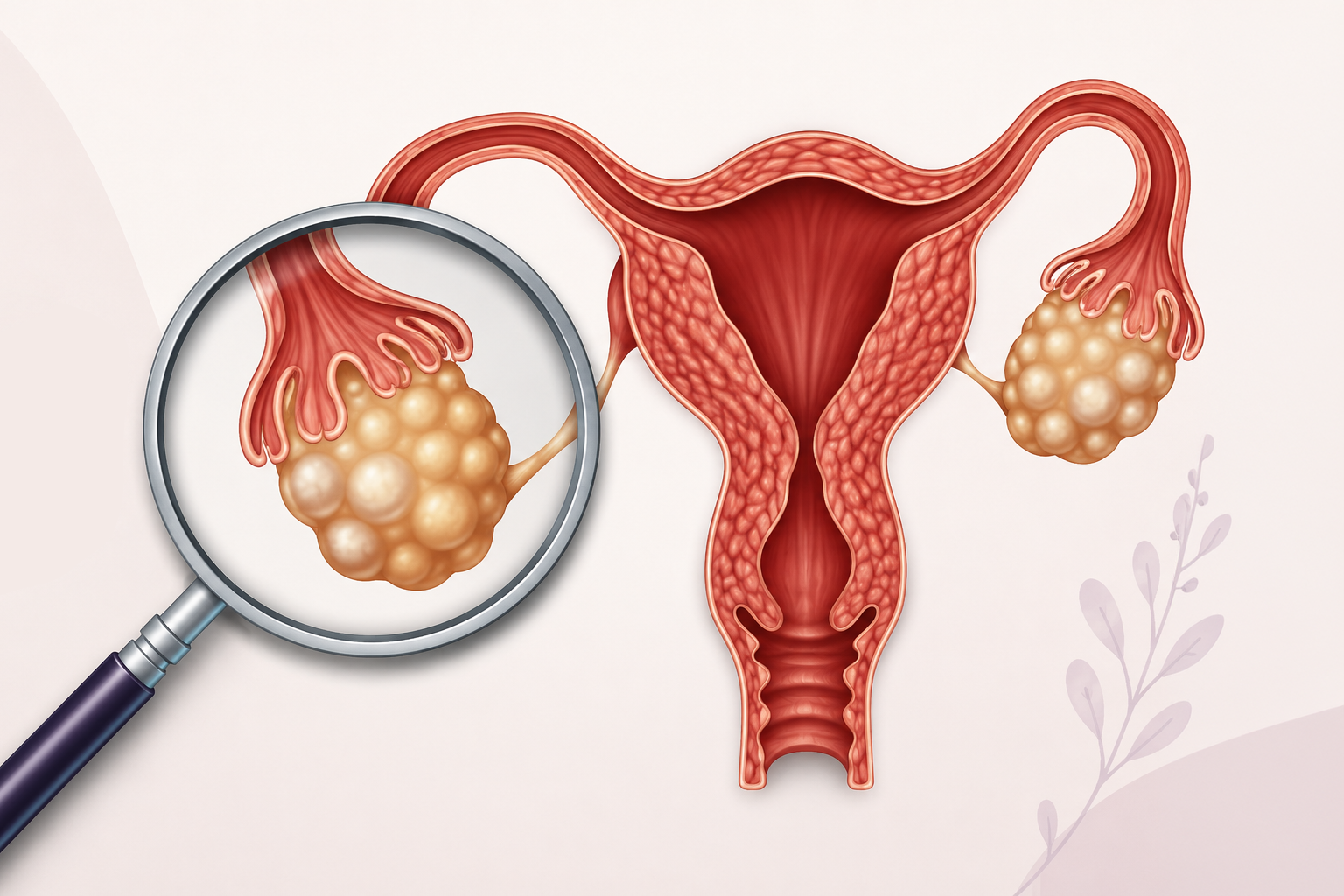
Polycystic ovary syndrome ( PCOS ) is one of the most common hormonal conditions affecting women of reproductive age. It impacts up to 1 in 10 women worldwide and is a leading cause of irregular cycles, ovulation problems, and infertility . At Caperton Fertility Institute , with fertility clinics in Albuquerque, NM, and El Paso, TX , we specialize in diagnosing and treating PCOS to help women restore their reproductive health and achieve pregnancy. What Is PCOS? PCOS is a hormonal imbalance that disrupts normal ovulation. Women with PCOS often produce higher levels of androgens (male hormones), which interfere with the release of eggs from the ovaries. Instead of regular ovulation, the ovaries may develop multiple small follicles, sometimes described as a “string of pearls” appearance on ultrasound. This condition can affect not only fertility but also long-term health , making early diagnosis and treatment essential. Common PCOS Symptoms Not all women experience PCOS in the same way, but common symptoms include: Irregular or absent menstrual cycles Difficulty ovulating or unpredictable fertile windows Excess hair growth on the face, chest, or back (hirsutism) Acne or oily skin Weight gain or difficulty losing weight Thinning hair on the scalp Darkened patches of skin (insulin resistance-related) If you are experiencing these symptoms, a fertility specialist in Albuquerque or El Paso can help confirm whether PCOS is the cause. How PCOS Affects Fertility PCOS is one of the leading causes of female infertility due to: Irregular ovulation – making it harder to predict fertile days Insulin resistance – common in women with PCOS, which worsens hormonal imbalance Hormonal disruptions – affecting egg quality and cycle regularity Inflammation – which may reduce implantation and embryo development The good news is that with proper PCOS treatment , many women can successfully conceive—either naturally or with fertility support like IUI or IVF . PCOS Fertility Treatment Options at Caperton Fertility Institute At Caperton Fertility Institute , we provide personalized fertility care for women with PCOS. Depending on your health and goals, treatment may include: Lifestyle & Medical Management Nutrition counseling and exercise support Medications to regulate menstrual cycles and lower androgen levels Ovulation Induction Letrozole or clomiphene to stimulate ovulation Careful ultrasound and lab monitoring to maximize success Advanced Fertility Treatments Intrauterine insemination (IUI) for couples who need additional support In vitro fertilization (IVF) for women who do not respond to ovulation medications or who need higher success rates Comprehensive PCOS Management Addressing metabolic health (insulin resistance, prediabetes, cholesterol) Supporting long-term wellness, not just fertility outcomes Living With PCOS: Finding Hope A diagnosis of PCOS can feel overwhelming, but it does not mean you cannot become pregnant. With the right treatment plan, women with PCOS have excellent chances of conception and healthy pregnancy . At Caperton Fertility Institute , we provide advanced reproductive technology, cutting-edge PCOS treatments, and compassionate care to help women build their families. Next Steps: PCOS Treatment in Albuquerque & El Paso If you have symptoms of PCOS or are struggling to conceive, our team can help. We combine expert medical care with personalized fertility plans designed to give you the best chance of success. ๏ปฟ ๐ Caperton Fertility Institute – Albuquerque, NM & El Paso, TX ๐ Call today or request a consultation online to learn more about PCOS and fertility treatment options .

Weight plays a critical role in reproductive health . Both overweight and underweight individuals may face challenges when trying to conceive, but for many patients struggling with obesity, even modest weight loss can significantly improve fertility outcomes. At Caperton Fertility Institute , with clinics in Albuquerque, NM, and El Paso, TX , we recognize the potential of new weight-loss therapies—such as GLP-1 receptor agonists—to support fertility and reproductive goals. How Weight Affects Fertility Excess body weight can affect fertility in multiple ways: Hormonal Imbalances – Obesity can disrupt the hypothalamic-pituitary-ovarian axis , leading to irregular menstrual cycles and ovulation problems. Insulin Resistance – Common in individuals with a higher BMI, insulin resistance can interfere with ovulation and increase the risk of polycystic ovary syndrome (PCOS) . Inflammation – Excess fat tissue produces inflammatory markers that may reduce egg quality, embryo development, and implantation success . Male Fertility – Elevated BMI in men is linked to lower testosterone, reduced sperm quality, and decreased libido. ๐ Even a 5–10% reduction in body weight can restore ovulation and improve the chances of natural conception or success with fertility treatments like IUI and IVF . What Are GLP-1 Agonists? GLP-1 (glucagon-like peptide-1) receptor agonists are a class of medications originally developed to treat type 2 diabetes. They mimic the natural GLP-1 hormone, which helps regulate blood sugar and appetite. Common GLP-1 medications include: Semaglutide (Ozempic®, Wegovy®) Liraglutide (Saxenda®) These medications have shown remarkable weight loss results in people with and without diabetes, making them a valuable tool for patients preparing for pregnancy. Benefits of GLP-1 Agonists for Fertility For patients struggling with obesity or PCOS, GLP-1 medications may support fertility by: Promoting sustainable weight loss Improving insulin sensitivity Helping regulate menstrual cycles Reducing symptoms of PCOS Lowering systemic inflammation As part of a preconception health plan , GLP-1 therapy may help create a healthier environment for conception and pregnancy. Considerations for Using GLP-1 Agonists in Fertility Treatment It’s important to use GLP-1 medications under the guidance of a fertility specialist . Key considerations include: Timing – GLP-1 agonists should generally be discontinued before trying to conceive , since safety in pregnancy has not yet been fully established. Medical Supervision – Safe and effective use requires oversight, often in combination with nutrition counseling and lifestyle changes . Individualized Plans – Not every patient is an ideal candidate. A comprehensive metabolic and fertility evaluation can help determine the best course of action. Weight Loss as a Path to Parenthood Weight loss isn’t just about numbers on the scale—it’s about optimizing your body for a healthy pregnancy . At Caperton Fertility Institute , we believe in a holistic, evidence-based approach to weight and fertility, combining: Advanced reproductive technologies (IUI, IVF, egg freezing) Metabolic health strategies The latest innovations like GLP-1 therapies Together, these tools can help patients achieve better fertility outcomes and increase their chances of bringing home a healthy baby. Next Steps: GLP-1 Agonists and Fertility Support If you are struggling with weight and fertility challenges or are interested in learning whether GLP-1 medications (Ozempic®, Wegovy®, Saxenda®) could play a role in your fertility journey, our team is here to help. ๏ปฟ ๐ Caperton Fertility Institute – Albuquerque, NM & El Paso, TX ๐ Call today or request your consultation online to explore personalized fertility solutions tailored to your health and family goals.

At Caperton Fertility Institute , our team is dedicated to offering patients the latest advances in reproductive medicine. One of the most promising emerging treatments we are exploring is intra-ovarian platelet-rich plasma (PRP) therapy , sometimes referred to as ovarian rejuvenation . This innovative approach may provide new hope for women facing diminished ovarian reserve or early ovarian aging , helping them regain options on their fertility journey. What Is Platelet-Rich Plasma (PRP)? Platelet-rich plasma (PRP) is a concentrate of platelets derived from a patient’s own blood. Platelets are naturally rich in growth factors —proteins that stimulate healing, repair, and regeneration of tissue. PRP has been widely used in: Orthopedics (joint healing, tissue repair) Dermatology (skin regeneration) Sports medicine (injury recovery) Now, these same regenerative principles are being applied in reproductive medicine to support ovarian health. How Does Intra-Ovarian PRP Work? The intra-ovarian PRP procedure involves: Drawing a small blood sample from the patient Processing the blood to isolate PRP Carefully injecting PRP into the ovaries using ultrasound guidance Potential benefits of ovarian PRP may include: Stimulating dormant ovarian follicles Improving blood flow within the ovary Supporting development of higher-quality eggs Potentially restoring hormone production in women with early ovarian decline While PRP is still considered experimental , initial studies and clinical reports show encouraging signs that it may improve ovarian function in select patients. Who Might Benefit From Ovarian PRP? Ovarian PRP therapy may be considered for women with: Diminished ovarian reserve (low AMH or high FSH levels) Premature ovarian insufficiency (POI) or early menopause A poor response to IVF stimulation in the past Age-related decline in ovarian function and delayed fertility goals โ ๏ธ Important Note: PRP is not a cure for infertility, and not every patient is an ideal candidate. At Caperton Fertility Institute, we take a highly individualized approach to determine if PRP could be beneficial for your unique situation. What Does the Research Say About Ovarian PRP? The use of intra-ovarian PRP is still investigational, and more large-scale clinical trials are needed. However, early studies suggest some women may experience: Improved hormone levels (FSH, AMH, estrogen) Return of menstrual cycles in cases of ovarian insufficiency Increased number of eggs retrieved during IVF cycles These findings provide hope, but it is essential to set realistic expectations . PRP is not yet a standard fertility treatment, and outcomes vary from patient to patient. The Caperton Fertility Institute Approach At Caperton Fertility Institute in Albuquerque, NM, and El Paso, TX , we are committed to bringing safe, evidence-based innovations to our patients. For women exploring ovarian rejuvenation with PRP , we offer: Compassionate counseling Thorough fertility evaluation Access to emerging therapies within the context of advanced fertility care Our goal is to maximize your chances of success—whether that involves IVF, egg freezing, or ovarian PRP therapy . Is Ovarian PRP Right for You? If you are struggling with: Diminished ovarian reserve Premature ovarian insufficiency (POI) Past IVF challenges or poor ovarian response …then ovarian PRP may be worth discussing with your fertility specialist. Every patient’s fertility journey is unique, and our team is here to help you explore your best options with clarity and hope . Next Steps At Caperton Fertility Institute , we combine cutting-edge science with compassionate care . If you are interested in learning more about ovarian rejuvenation with PRP or other fertility treatments, we invite you to schedule a consultation today. ๐ Locations in Albuquerque, NM, and El Paso, TX ๐ Call us now or request an appointment online to explore whether ovarian PRP therapy could be part of your fertility plan.

One of the most challenging moments in IVF treatment is when a healthy embryo is transferred into the uterus, but implantation does not occur. At Caperton Fertility Institute , we understand how frustrating and disheartening this can be. That’s why our team is exploring promising new therapies designed to improve endometrial receptivity and support successful embryo implantation. Among the most exciting innovations are: Intrauterine Platelet-Rich Plasma (PRP) Intrauterine Human Chorionic Gonadotropin (hCG) Peripheral Blood Mononuclear Cells (PBMCs) Each of these investigational treatments may help prepare the uterine environment to better support embryo implantation, especially for women who have experienced repeated implantation failure (RIF) . Intrauterine Platelet-Rich Plasma (PRP) Just as PRP has been studied for its regenerative potential in ovarian health, it may also improve the uterine lining (endometrium). PRP is prepared from a patient’s own blood and infused into the uterine cavity before embryo transfer. Potential benefits of intrauterine PRP for implantation include: Promoting growth of the endometrial lining Enhancing blood flow to the uterus Stimulating growth factors that may improve embryo receptivity For women with thin endometrium or repeated implantation challenges , PRP may offer a new opportunity for success. Intrauterine hCG Infusion Human chorionic gonadotropin (hCG) is a natural hormone produced by the early embryo. One of its roles is to signal the uterus to prepare for implantation. Administering a small dose of hCG directly into the uterine cavity before embryo transfer may mimic this natural signaling process. Studies suggest intrauterine hCG may: Improve implantation rates Enhance communication between the embryo and endometrium Support early pregnancy development Peripheral Blood Mononuclear Cells (PBMCs) PBMCs are immune cells—such as lymphocytes and monocytes—isolated from a patient’s blood. These cells can be activated in the lab and then infused into the uterine cavity prior to embryo transfer. The goal of PBMC therapy is to modulate the immune response , helping the maternal immune system accept the embryo. PBMC therapy has been explored in women with: Recurrent implantation failure (RIF) Suspected immune-related fertility challenges Emerging studies suggest PBMCs may increase implantation and pregnancy rates by improving the immune environment of the uterus. Who Might Benefit From PRP, hCG, or PBMC Therapies? These investigational intrauterine treatments are typically considered for women who have: Repeated implantation failure despite transferring healthy embryos Thin or unresponsive endometrial lining Suspected immune-related implantation challenges Because these treatments are still experimental , a detailed consultation is essential to determine whether they may be appropriate in your fertility journey. Caperton Fertility Institute’s Commitment At Caperton Fertility Institute in Albuquerque, NM, and El Paso, TX , we are committed to providing innovative, evidence-based fertility treatments. While intrauterine PRP, hCG, and PBMCs remain investigational, they represent promising new tools for patients facing implantation challenges. Our approach is always personalized —we carefully evaluate each patient’s history, test results, and goals before recommending advanced or experimental therapies. Moving Forward With Hope If you’ve experienced repeated implantation failure , we know how discouraging it can feel. At Caperton Fertility Institute , our team offers both cutting-edge science and compassionate care to help you move forward with confidence. ๏ปฟ ๐ Clinics in Albuquerque, NM & El Paso, TX ๐ Call today or request a consultation online to explore your fertility treatment options and discover whether intrauterine PRP, hCG, or PBMC therapy may be right for you.

When patients begin exploring fertility treatment options, many are drawn to the idea of minimal stimulation IVF —sometimes referred to as “mini-IVF.” This approach uses lower doses of fertility medications to stimulate the ovaries, making it appealing to patients who are hoping for: Lower treatment costs Reduced medication use A “gentler” IVF cycle However, while mini-IVF may sound attractive, it comes with important limitations. At Caperton Fertility Institute , with fertility clinics in Albuquerque, NM, and El Paso, TX , we want to help patients understand one of the biggest challenges in IVF— attrition —and why minimal stimulation may not provide the best chance of success for many individuals or couples. What Is Attrition in IVF? Attrition refers to the natural decline in egg and embryo numbers that occurs at each step of the IVF process . Even in ideal scenarios, not every egg will develop into a healthy embryo ready for transfer. Here’s how attrition typically happens: Egg Retrieval – Not every follicle produces a mature, healthy egg. Fertilization – Not every egg fertilizes normally. Embryo Development – Some embryos stop growing before reaching the blastocyst stage. Genetic Testing (if performed) – Some embryos are chromosomally abnormal. Embryo Transfer – Not every embryo transferred results in a pregnancy. Because attrition occurs at every stage, starting with more eggs gives patients a higher chance of ending with at least one healthy embryo to transfer. Why Minimal Stimulation IVF Can Be Limiting In a conventional IVF cycle , higher doses of medication are used to stimulate the ovaries, producing a larger number of eggs. In contrast, minimal stimulation IVF typically results in only 2–5 eggs . Here’s the challenge: with such a small starting number, attrition can leave patients with no embryos to transfer . For example: 4 eggs are retrieved → 3 are mature Of those, 2 fertilize After several days, 1 develops into a blastocyst If that embryo is abnormal or fails to implant, the cycle ends without a pregnancy While it is possible to achieve success with mini-IVF , the risk of ending a cycle without embryos is significantly higher compared to conventional IVF. The Caperton Fertility Institute Perspective At Caperton Fertility Institute , our philosophy is to maximize your chances of success while being transparent about the realities of fertility treatment. While minimal stimulation IVF may seem less invasive, the trade-off is often: Fewer eggs Fewer embryos Lower success rates due to attrition With advanced fertility care in Albuquerque, NM, and El Paso, TX , we carefully review every patient’s medical history, fertility testing, and personal goals to recommend the most effective treatment plan. ๏ปฟ We believe that understanding the impact of attrition empowers patients to make informed choices about their fertility journey. Final Thoughts: Is Mini-IVF Right for You? While minimal stimulation IVF may sound appealing, it is not always the best choice for patients who want the highest chance of success per cycle . Understanding the role of attrition in IVF helps explain why starting with more eggs—and ultimately more embryos—leads to better outcomes . If you are considering IVF and wondering whether mini-IVF or conventional IVF is right for you, our team is here to guide you. ๐ Caperton Fertility Institute – Albuquerque, NM & El Paso, TX ๐ Call us today or request your appointment online to begin building the family of your dreams.

As the summer heat peaks in New Mexico and Texas, it's important to stay mindful of your health—especially if you’re trying to conceive or undergoing fertility treatments. At Caperton Fertility Institute, we’re committed to supporting your journey with expert care and personalized guidance. Here are our top mid-summer health tips to help you stay cool, healthy, and fertility-focused through the season. 1. Hydrate with Purpose The dry heat of Albuquerque and El Paso can lead to rapid dehydration, which may impact hormone balance and reproductive health. Aim for at least 8–10 glasses of water a day. Add slices of lemon, cucumber, or mint to enhance flavor and encourage regular hydration. 2. Optimize Your Summer Diet Fertility-friendly foods are rich in antioxidants, omega-3s, and folate. Incorporate: Seasonal fruits like berries, watermelon, and oranges Leafy greens and avocados Cold-water fish like salmon (low in mercury) Nuts and seeds Avoid sugary drinks and excessive caffeine, both of which can contribute to inflammation and hormonal disruption. 3. Time Outdoor Activities Wisely The intense afternoon sun in the Southwest can increase core body temperature, which may not be ideal during fertility treatments or early pregnancy. Plan walks, gardening, or exercise during cooler morning or evening hours, and always wear breathable clothing and sunscreen. 4. Practice Stress-Reducing Rituals Summer schedules can get hectic, but maintaining calm is crucial for hormonal balance. Incorporate: Gentle yoga or meditation Evening baths with Epsom salts Journaling or reading in a cool, quiet space These practices can improve sleep, support immune health, and enhance fertility outcomes. 5. Stay Informed and Connected Summer is a great time to check in with your fertility specialist, especially if you're planning treatment in the fall. Whether you're exploring IVF, IUI, or fertility preservation, our team in Albuquerque and El Paso is here to support you every step of the way. Plan Ahead with Caperton Fertility Institute Don't let the summer heat slow down your fertility journey. Contact Caperton Fertility Institute to schedule a consultation or learn more about how we can help you prepare for a healthy, successful path to parenthood. Let’s make this summer count—toward your future family.

Adenomyosis is a frequently misunderstood condition that can significantly affect a woman’s quality of life—and in some cases, her ability to conceive. At Caperton Fertility Institute, serving patients in Albuquerque, NM, and El Paso, TX, we understand the concerns that come with this diagnosis. We’re here to provide clarity, compassion, and the most advanced fertility care available. What Is Adenomyosis? Adenomyosis occurs when the inner lining of the uterus (endometrial tissue) begins to grow into the muscular wall of the uterus. This abnormal tissue growth can lead to an enlarged, tender uterus and painful menstrual symptoms. Though similar to endometriosis, adenomyosis is a unique condition requiring its own approach to diagnosis and treatment. Common Symptoms of Adenomyosis: Heavy or prolonged menstrual bleeding Intense menstrual cramps Chronic pelvic pain Pain during intercourse Pelvic pressure or bloating Some individuals may be asymptomatic How Adenomyosis Can Affect Fertility Not all individuals with adenomyosis face infertility. However, the condition has been linked to reproductive challenges, particularly when inflammation and uterine changes interfere with the conception process. Here’s how adenomyosis may impact fertility: ๐น Impaired Embryo Implantation The inflamed and thickened uterine wall may create an environment less hospitable for embryo implantation. ๐น Abnormal Uterine Contractions Disruptive uterine movements can interfere with both sperm transport and successful implantation. ๐น Hormonal Disruption Endometrial tissue affected by adenomyosis may not respond properly to reproductive hormones, making it harder to sustain early pregnancy. ๐น Elevated Risk of Miscarriage Research suggests a possible increase in miscarriage rates among women with moderate to severe adenomyosis. Diagnosing and Managing Adenomyosis at Caperton Fertility Institute Adenomyosis can be challenging to diagnose, especially in its early stages or when symptoms are minimal. At Caperton Fertility Institute, we use state-of-the-art imaging tools, including transvaginal ultrasound and MRI, to identify the presence and severity of adenomyosis. Personalized Treatment Options: Pain and symptom management with medications Hormonal treatments (IUDs, GnRH agonists) to suppress symptoms Fertility treatments, including In Vitro Fertilization (IVF), to increase the chances of a successful pregnancy Every patient’s treatment plan is uniquely tailored based on their symptoms and reproductive goals. You Are Not Alone: Hope for Patients with Adenomyosis Receiving a diagnosis of adenomyosis can be overwhelming, especially if you're trying to build a family. But it’s important to remember that a diagnosis is not a final verdict—it’s the first step toward informed treatment and real solutions. Many of our patients with adenomyosis go on to have healthy pregnancies thanks to early diagnosis, strategic care, and the advanced fertility options available at our clinics. ๐ Schedule Your Consultation Today At Caperton Fertility Institute in Albuquerque and El Paso, we specialize in complex reproductive health conditions like adenomyosis. Let us help you explore your options and take the next step toward your dream of parenthood. ๐ Call us or schedule online to speak with our compassionate fertility experts. Tags: Adenomyosis, Fertility Challenges, Uterine Health, Endometrial Disorders, Female Infertility, IVF, Caperton Fertility Institute, Albuquerque Fertility, El Paso Fertility, Reproductive Health

Uterine fibroids are a common concern for women of reproductive age, and while many are benign and symptom-free, others can significantly impact fertility and pregnancy outcomes. At Caperton Fertility Institute, with locations in Albuquerque, NM, and El Paso, TX, we provide expert care for patients navigating fibroids and fertility challenges. What Are Uterine Fibroids? Uterine fibroids, or leiomyomas, are non-cancerous tumors that grow within or around the uterus. They can vary in size, number, and location, which determines their impact on reproductive health. Fibroids are classified into four types: Submucosal Fibroids: Grow into the uterine cavity Intramural Fibroids: Develop within the uterine wall Subserosal Fibroids: Form on the outer surface of the uterus Pedunculated Fibroids: Attached to the uterus by a stalk How Fibroids Can Affect Fertility While not all fibroids cause fertility issues, certain types and locations are more likely to interfere with conception or pregnancy: Submucosal Fibroids: These are the most likely to impact fertility by distorting the uterine cavity, potentially preventing embryo implantation or increasing the risk of miscarriage. Intramural Fibroids: Large intramural fibroids can alter the uterus’ shape and decrease blood flow, which may affect embryo implantation. Fibroids Near the Fallopian Tubes: These can lead to tubal blockage, hindering sperm or egg passage. Cervical Fibroids: Rare but may impede sperm entry if located near the cervix. Common Symptoms of Fibroids Some patients with fibroids experience no symptoms, while others may notice: Heavy or prolonged menstrual bleeding Pelvic pain or pressure Pain during intercourse Frequent urination or constipation Recurrent miscarriages or infertility Many fibroids are discovered during a fertility evaluation or routine pelvic exam. Diagnosing and Treating Fibroids at Caperton Fertility Institute We utilize advanced imaging technologies, including high-resolution ultrasound and MRI, to accurately diagnose fibroids. Treatment plans are tailored based on your symptoms, fertility goals, and the specific characteristics of your fibroids. Treatment Options Include: Medical Management: Hormonal therapies to reduce symptoms Surgical Options: Myomectomy to remove fibroids while preserving fertility Minimally Invasive Procedures: Such as hysteroscopic or laparoscopic surgery for quicker recovery Your Fertility Journey Doesn’t End with a Fibroid Diagnosis A fibroid diagnosis doesn't mean infertility. With personalized care and proper management, many women go on to have successful pregnancies. At Caperton Fertility Institute, our fertility specialists in Albuquerque and El Paso are here to support your journey every step of the way. Schedule a Consultation Today If you suspect fibroids may be affecting your fertility, don't wait. Schedule a comprehensive consultation with our expert team and take proactive steps toward achieving your family-building goals.

What Is a Semen Analysis? A semen analysis evaluates the health and viability of a man's sperm. This non-invasive test measures multiple parameters that are crucial for successful conception: Volume The amount of ejaculate, with a typical normal range between 1.5 to 5 milliliters. Sperm Concentration The number of sperm per milliliter of semen. A normal sperm count is 15 million/mL or higher. Motility The percentage of sperm that are actively moving. A minimum of 40% motility is generally considered normal. Morphology The size and shape of sperm, assessed using strict criteria. A morphology score of 4% or more normal-shaped sperm is acceptable. pH Level Measures the acidity or alkalinity of semen, with a normal range from 7.2 to 8.0. White Blood Cells Elevated levels may signal infection or inflammation in the reproductive tract. Liquefaction Time Refers to how long it takes semen to liquefy after ejaculation. Normal liquefaction occurs within 20 to 30 minutes. What Do Abnormal Semen Analysis Results Mean? An abnormal result doesn’t automatically mean infertility. Semen quality can vary over time, so further testing is often needed to understand the full picture. Depending on the results, your provider may recommend: Repeat Semen Analysis: To confirm initial findings. Hormonal Testing: Evaluates hormone levels like testosterone, FSH, LH, and prolactin. Genetic Testing: For severely low sperm counts or azoospermia, this can reveal chromosomal abnormalities or Y chromosome deletions. Scrotal Ultrasound: Detects physical issues such as varicoceles or obstructions. Referral to a Urologist: For evaluation and management of urological or endocrine disorders. Tailored Treatment for Male Factor Infertility At Caperton Fertility Institute, we take a holistic and individualized approach to male infertility. Based on your specific diagnosis, treatment options may include: Lifestyle changes to improve sperm health Medical therapies to balance hormones or treat infections Intrauterine insemination (IUI) In vitro fertilization (IVF) with intracytoplasmic sperm injection (ICSI) Schedule a Fertility Consultation Today If you or your partner are considering fertility testing, our experienced team in Albuquerque and El Paso is here to support your journey. Schedule your consultation today to take the first step toward growing your family. Tags: Semen Analysis, Male Fertility, Sperm Count, Infertility Testing, Caperton Fertility Institute, Albuquerque Fertility, El Paso Fertility, IVF, ICSI, Male Factor Infertility

What Are the Most Common Causes of Pregnancy Loss? Miscarriage is more common than many people realize, affecting approximately 10% to 20% of known pregnancies. Most occur during the first trimester, and in many cases, they are beyond anyone's control. Here are some of the leading causes: 1. Chromosomal AbnormalitiesThe most frequent cause of early pregnancy loss is genetic abnormalities during fertilization. These anomalies prevent the embryo from developing normally and are typically not linked to anything the parents did or didn’t do. 2. Hormonal ImbalancesConditions such as polycystic ovary syndrome (PCOS), thyroid disorders, or luteal phase defects can disrupt hormonal support essential for a healthy pregnancy. 3. Uterine or Cervical IssuesStructural concerns, including fibroids, polyps, or a septate uterus, can contribute to recurrent miscarriage or second-trimester losses. 4. Autoimmune DisordersConditions like lupus or antiphospholipid syndrome (APS) may cause the immune system to mistakenly target the developing embryo, leading to pregnancy loss. 5. InfectionsCertain infections, such as listeria, cytomegalovirus, and toxoplasmosis, may increase miscarriage risk if contracted during early pregnancy. 6. Lifestyle and Health FactorsSmoking, heavy alcohol use, and illicit drug use elevate the risk. Unmanaged chronic health conditions like diabetes or hypertension can also contribute. Common Myths About Pregnancy Loss Despite its frequency, miscarriage remains a topic filled with stigma and misinformation. Let’s dispel some of the most common myths: Myth: Stress Causes MiscarriageEveryday stress is a part of life and is not linked to miscarriage. While chronic, extreme stress can affect overall health, it’s not a primary cause of pregnancy loss. Myth: Exercise or Lifting Causes LossModerate physical activity is generally safe and often encouraged during pregnancy. Always follow your doctor’s guidance, but exercise alone is not a known cause of miscarriage. Myth: Miscarriage Is Always PreventableMost miscarriages are caused by genetic or biological factors that cannot be controlled. It is not your fault. Myth: It Only Happens OnceWhile many people experience only one loss, some have recurrent miscarriages, which may signal treatable underlying conditions. Myth: You Must Wait Months to Try AgainPhysically, many individuals can begin trying again after one normal menstrual cycle, though emotional readiness is unique to each person. Always consult with your fertility specialist. You Are Not Alone Experiencing pregnancy loss can feel isolating, but support and solutions are available. At Caperton Fertility Institute, we offer comprehensive evaluations, compassionate care, and advanced fertility treatments to uncover the causes and help guide your next steps. Whether you're in Albuquerque or El Paso, our fertility specialists are here to support your path to parenthood. Contact us today to schedule a consultation. Tags: Pregnancy Loss, Miscarriage, Recurrent Miscarriage, Fertility Myths, Caperton Fertility Institute, Albuquerque Fertility, El Paso Fertility, IVF Support, PCOS, Autoimmune Pregnancy

Embarking on the embryo transfer phase of your IVF journey is a big step, and understandably, patients often ask what they can expect during this important stage. At Caperton Fertility Institute, we take great care in preparing your body to create the most welcoming environment possible for a developing embryo. Here’s an overview of how we prepare you for a frozen embryo transfer, including the medications we use and why they matter. 1. Estrogen Patches to Build the Uterine Lining The first step in the preparation process involves thickening the endometrial lining of your uterus so it can support an embryo. We use estrogen patches for this purpose. These patches deliver a consistent dose of estrogen through your skin, and you’ll typically wear several patches on your abdomen at a time, changed every other day as instructed. Estrogen helps your uterine lining grow to the ideal thickness for implantation. We monitor this closely with ultrasound to ensure optimal conditions. 2. Adding Intramuscular Progesterone Once your lining has reached the right thickness, we introduce intramuscular progesterone injections. Progesterone transforms the uterine lining into a receptive state, mimicking what happens naturally after ovulation. These injections are given daily and are an essential part of making the uterus ready to accept an embryo. While the thought of intramuscular shots can be intimidating, our team will guide you through every step and offer tips to make the process more comfortable. 3. Timing the Transfer The timing of your embryo transfer is carefully coordinated based on your hormone levels and the day your embryo was frozen. For example, if you're transferring a blastocyst (an embryo that developed for five days), we schedule your transfer five days after starting progesterone. Precision is key, and we tailor the timing to closely replicate the conditions of a natural cycle. 4. Day of the Transfer The transfer itself is a quick, gentle procedure that doesn’t require anesthesia. We use ultrasound guidance to place the embryo in the uterus, and many patients describe it as similar to a Pap smear. Afterward, you’ll rest briefly before going home. Supporting You Through Every Phase Every part of the embryo transfer preparation is designed with care and intention. We want to give you the best possible chance for success, and we’re here to support you emotionally and physically throughout the process. If you have any questions about preparing for your embryo transfer or the medications involved, don’t hesitate to reach out. We’re with you every step of the way.

Why National Infertility Awareness Week Matters Infertility isn't rare—but it’s rarely talked about. NIAW, led by RESOLVE: The National Infertility Association, exists to: Break the stigma around infertility. Educate the public about reproductive health. Empower those struggling with infertility to speak up and seek support. Advocate for access to care and fertility benefits. Each year, this week reminds us that behind every statistic is a story—and every story deserves to be heard. Infertility Facts You Should Know 1 in 8 couples in the U.S. struggle to conceive or carry a pregnancy to term. 1 in 4 pregnancies end in miscarriage. Infertility affects men and women equally—about 30% male factor, 30% female factor, and 40% a combination or unexplained. Most people wait more than a year before seeking help—even though early intervention increases success rates. The emotional impacts of infertility can mirror chronic illness and grief, affecting mental health and relationships. At Caperton Fertility Institute, we’re here to change the narrative. We provide advanced, compassionate care backed by science—and shaped by understanding. Infertility FAQ: What People Are Afraid to Ask (But Should) How do I know if I’m infertile? If you've been trying to conceive for 12 months (or 6 months if you're over 35) without success, it may be time to talk to a fertility specialist. Does infertility only affect women? Not at all. Male fertility plays a role in nearly half of all infertility cases. That’s why our evaluations always include both partners. Is IVF my only option? IVF is just one of many fertility treatments. Depending on your situation, options might include ovulation induction, IUI (intrauterine insemination), lifestyle changes, or surgical interventions. We tailor every plan to your unique needs. Is infertility treatable? In many cases, yes. With today’s technology and expert care, up to 90% of infertility cases can be treated. Caperton Fertility Institute offers some of the highest success rates in the Southwest. How to Support Someone Struggling With Infertility If someone you care about is going through infertility, here’s how to be there for them: Listen without offering advice. Avoid saying things like “Just relax,” or “At least you know you can get pregnant.” Ask, “How can I support you right now?” Respect their privacy—but let them know you’re a safe space if they want to talk. Join them in raising awareness during NIAW. Sharing educational content or attending events together can mean the world. Let’s Talk About It—Together At Caperton Fertility Institute, we’re using National Infertility Awareness Week as a chance to not only educate, but to empower. Whether you’re just beginning to explore your fertility or you’ve been on this journey for years, you deserve answers, support, and hope. We invite you to: Schedule a consultation with our expert fertility team. Follow us on social media for educational resources, patient stories, and NIAW highlights. Share your story—because speaking up changes everything. Proudly Serving Albuquerque, El Paso & Beyond With cutting-edge technology, individualized treatment plans, and an award-winning team of fertility specialists, Caperton Fertility Institute is proud to support patients in New Mexico, West Texas, and beyond. During National Infertility Awareness Week—and every day—we’re here to help you take the next step toward the family you’ve been dreaming of. Ready to Start the Conversation? Let’s turn awareness into action.

March marks Endometriosis Awareness Month, a time to shine a light on one of the most common yet misunderstood health conditions affecting women and people assigned female at birth. At Caperton Fertility Institute, we are committed to increasing awareness, advancing education, and supporting those affected by endometriosis—especially as it relates to reproductive health and fertility. What Is Endometriosis? Endometriosis is a chronic condition where tissue similar to the lining of the uterus (endometrium) grows outside the uterus—on the ovaries, fallopian tubes, bladder, and other organs. These tissues respond to monthly hormonal changes, often resulting in pain, inflammation, and scarring. Common symptoms include: Painful or heavy periods Chronic pelvic pain Pain during intercourse Digestive issues Fatigue Infertility Endometriosis affects an estimated 1 in 10 women during their reproductive years, yet it is frequently underdiagnosed or misdiagnosed. On average, it takes 7 to 10 years to receive a proper diagnosis. How Endometriosis Affects Fertility One of the lesser-known effects of endometriosis is its impact on fertility. The condition can interfere with ovulation, damage reproductive organs, or cause inflammation that affects egg quality and embryo implantation. At Caperton Fertility Institute, we work with many patients who have endometriosis-related infertility. Through advanced diagnostic tools, minimally invasive surgery, and personalized fertility treatments—including IVF (in vitro fertilization) and egg preservation—we help individuals and couples achieve their dreams of growing a family. Why Endometriosis Awareness Month Matters Endometriosis is often invisible. The pain can be internal, and too often, it's dismissed or minimized. This is why Endometriosis Awareness Month is so important. Increasing awareness helps: Encourage earlier diagnosis and treatment Break the stigma around menstrual and pelvic pain Promote research and better treatment options Support those struggling with chronic pain and fertility challenges How You Can Support Endometriosis Awareness Whether you’re personally affected by endometriosis or want to be an ally, there are meaningful ways to get involved: ๐ Wear yellow to show support—the official color of endometriosis awareness ๐ฑ Use your voice on social media: #EndometriosisAwareness #1in10 #YellowForEndo ๐ Educate yourself and others to challenge misconceptions ๐ค Offer support to someone going through diagnosis, treatment, or fertility struggles ๐ฅ Encourage annual OB-GYN visits and advocate for trusted medical guidance Caperton Fertility Institute Is Here to Help At Caperton Fertility Institute, we believe in listening to your story, validating your experiences, and offering real solutions. If you suspect you have endometriosis—or if you’ve already been diagnosed and are facing fertility challenges—our compassionate team is here to help. Schedule a consultation today with our award-winning fertility specialists in Albuquerque or El Paso. Let’s take the next step—together. ๐ You are not alone. This Endometriosis Awareness Month, and every month, we stand with you. Contact Caperton Fertility Institute ๐ Albuquerque & El Paso | ๐ (505) 702-8020 ๐ www.capertonfertility.com