How Long Should You Try to Get Pregnant Before Seeing a Fertility Specialist?
Knowing When to Seek Expert Fertility Care Can Help You Find Answers, Understand Your Options, and Move Forward with Confidence

For many individuals and couples, trying to conceive begins with excitement and hope. But when pregnancy doesn't happen as quickly as expected, it's natural to start asking questions.
How long should you keep trying on your own? Is it too early to seek help? Or have you already waited too long?
The truth is that fertility challenges are more common than many people realize, and seeking a fertility evaluation doesn't mean something is wrong. In fact, early evaluation can provide answers, identify potential concerns, and help you understand your options moving forward.
If you're wondering when to see a fertility specialist in El Paso, Texas, or Albuquerque, New Mexico, here's what you should know.
When Should You See a Fertility Specialist?
The general recommendation depends on age.
If You're Under 35
If you are under the age of 35 and have been trying to conceive for 12 months without success, it may be time to schedule a fertility evaluation.
While many healthy couples conceive within the first year of trying, persistent difficulty becoming pregnant can sometimes indicate an underlying fertility issue that deserves further investigation.
If You're 35 or Older
If you are 35 or older, fertility specialists typically recommend seeking evaluation after six months of trying to conceive without success.
This recommendation exists because fertility naturally declines with age, particularly after age 35. Early assessment can help identify potential challenges and maximize available treatment options.
If You're Over 40
For individuals over age 40, many fertility experts recommend scheduling a consultation as soon as you begin trying to conceive.
An early evaluation can provide valuable information about ovarian reserve, reproductive health, and potential treatment pathways.
When You Shouldn't Wait a Full Year
In some situations, it's beneficial to seek fertility care sooner regardless of age.
You may want to schedule an appointment if you have:
- Irregular or absent menstrual cycles
- A history of endometriosis
- Polycystic ovary syndrome (PCOS)
- Recurrent pregnancy loss
- Known male fertility concerns
- Previous pelvic infections
- Prior reproductive surgeries
- A history of cancer treatment
- Known genetic conditions that may affect fertility
These factors can sometimes impact fertility and may warrant earlier evaluation.
Fertility Is About Both Partners
One of the most common misconceptions about infertility is that fertility testing focuses only on women.
In reality, infertility affects both men and women.
Male factors contribute to approximately one-third of infertility cases, while another third involve both male and female factors.
That's why a comprehensive fertility evaluation often includes both partners whenever possible.
What Happens During a Fertility Evaluation?
Many patients are surprised by how straightforward the fertility evaluation process can be.
The goal is to understand your reproductive health and identify any factors that may be affecting conception.
Depending on your situation, testing may include:
Medical History Review
Your fertility specialist will discuss:
- Menstrual cycle history
- Previous pregnancies
- Medical conditions
- Medications
- Lifestyle factors
- Family history
Hormone Testing
Blood tests can evaluate hormones related to:
- Ovulation
- Ovarian reserve
- Thyroid function
- Reproductive health
Ultrasound Evaluation
Ultrasound imaging allows fertility specialists to assess:
- Ovarian health
- Follicle development
- Uterine anatomy
Semen Analysis
A semen analysis evaluates:
- Sperm count
- Sperm movement (motility)
- Sperm shape (morphology)
Male fertility testing is often one of the most informative parts of the evaluation process.
Common Fertility Challenges
Fertility difficulties can occur for many reasons.
Some of the most common include:
Ovulation Disorders
Conditions such as PCOS can affect regular ovulation and make conception more difficult.
Endometriosis
Endometriosis can impact reproductive organs and fertility potential.
Diminished Ovarian Reserve
As women age, both egg quantity and egg quality naturally decline.
Male Factor Infertility
Sperm-related issues are more common than many people realize and can significantly affect conception.
Unexplained Infertility
In some cases, fertility testing does not identify a specific cause. Even then, many effective treatment options remain available.
Why Early Evaluation Matters
Many patients delay seeking fertility care because they worry they may be overreacting.
The reality is that a fertility consultation provides information—not pressure.
An evaluation does not automatically mean fertility treatment is necessary. Sometimes testing reveals reassuring results. Other times, it identifies opportunities to improve fertility or begin treatment sooner.
The earlier potential issues are identified, the more options may be available.
Fertility Treatment Options
If fertility challenges are identified, treatment recommendations are tailored to your unique situation.
Depending on your diagnosis, options may include:
- Lifestyle modifications
- Ovulation induction
- Timed intercourse
- Intrauterine insemination (IUI)
- In vitro fertilization (IVF)
- Fertility preservation
Every fertility journey is different, which is why personalized care is so important.
Fertility Care for Patients in El Paso and Albuquerque
For individuals and couples throughout El Paso, Texas, Albuquerque, New Mexico, and surrounding communities, access to fertility care can provide clarity and confidence during what can otherwise feel like an uncertain process.
Whether you've been trying for a few months, over a year, or are simply concerned about your reproductive health, speaking with a fertility specialist can help you better understand your fertility potential and available options.
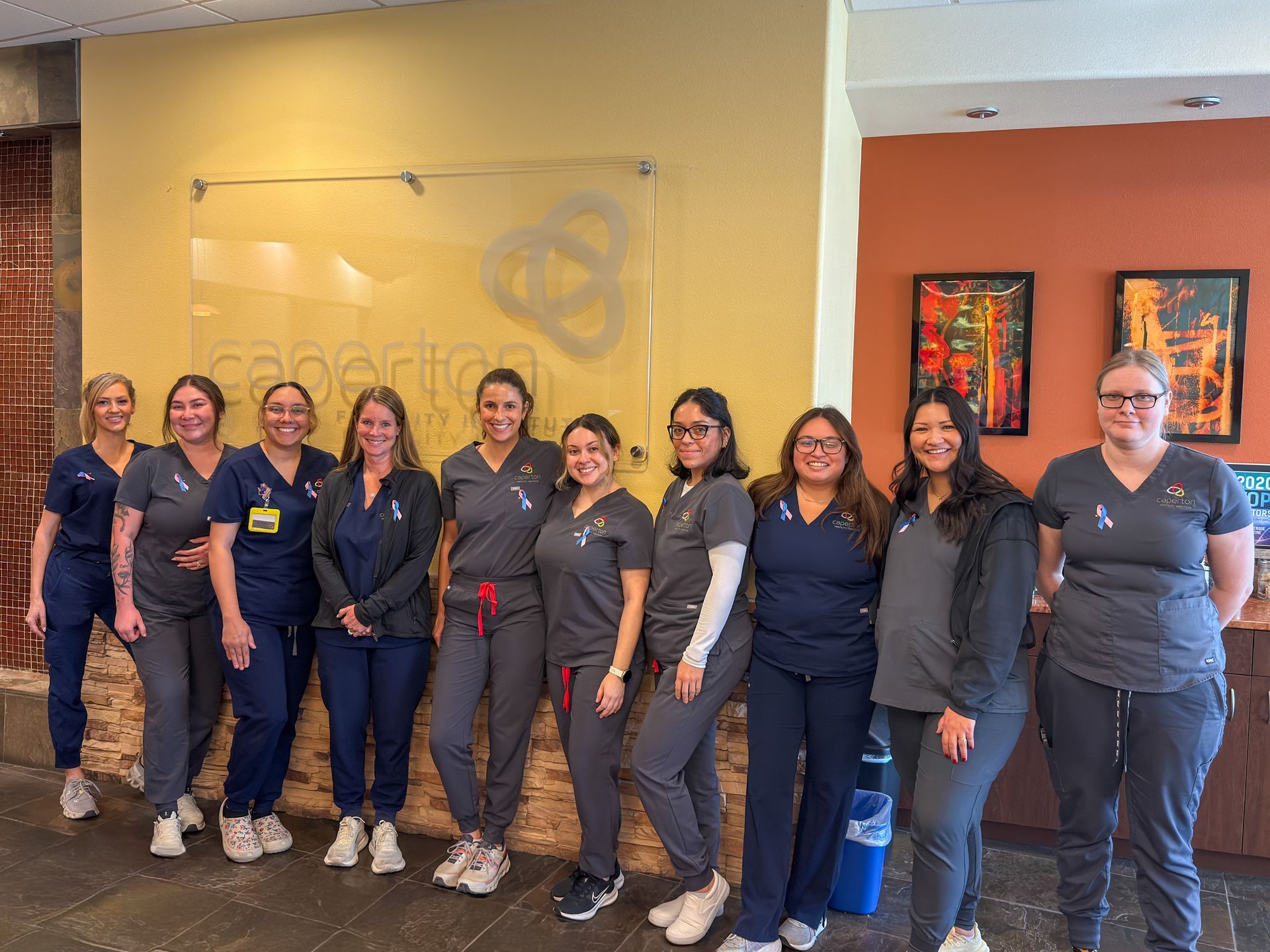
At Caperton Fertility Institute, our team provides compassionate, evidence-based fertility care designed to meet patients where they are in their family-building journey.
The Bottom Line
If you've been trying to conceive without success, you don't have to keep wondering whether it's time to seek help.
Generally speaking:
- Under 35: Consider evaluation after 12 months of trying
- Age 35 and older: Consider evaluation after 6 months
- Over 40: Consider seeking care sooner
Most importantly, trust your instincts. If you have concerns about your fertility, asking questions early can provide valuable answers and peace of mind.
Sometimes the first step toward building your family is simply starting the conversation.